

Velleman DCA55 Semiconductor Analyzer
Product Description
Velleman DCA55 Semiconductor Analyzer
- Automatic identification of components automatic identification of connection pins identification of particularities such as detection of protection diodes and detection of shunt resistors bipolar transistors: measurement of current gain and leakage current, silicon and germanium diode detection measurement of threshold voltage for enhancement MOSFETs measurement of forward voltage for diodes, LEDs, and base-emitter junctions of transistors exti
- Specification Summary at 68°F (20°C) unless otherwise specified
- Short circuit peak current cut: -5.5 mA up to 5.5 mA
- Permanent short circuit peak voltage: -5.1 V up to 5.1 V
- Transistor:
The Atlas DCA 55 offers unrivalled functionality and style. The analysis portfolio is bigger than ever, offering enhanced message display and intelligent component identification. This superb instrument displays incredibly detailed information in scrollable pages. The Atlas combines an impressive analysis portfolio with unequalled ease of use. Connect your component any way round and let the Atlas do the rest. It will measure the gain of transistors, the threshold voltage of MOSFETs, and semiconductor voltage drops. It will even identify special component features such as diode protection on transistors or resistor shunts on Darlingtons. The new intelligent analysis algorithms makes life much easier when dealing with unknown components. For example, the Atlas will tell you if it has detected many different types of diode networks such as series types, common cathode, common anode and even inverse parallel types. Additionally, the Atlas knows the difference between normal diodes and LEDs and it will correctly identify and characterize both LED chips in two terminal and three terminal bicolor LEDs. The Atlas supports Diode Protected Transistors. It is important to note however that the transistor itself will only be identified if it's current gain is larger than 4 for a test current of 2.5mA. If the gain is less than 4 at 2.5mA then the Atlas will only be able to "see" the diode junctions and will report that the device is a diode network. Bear in mind that transistor gain can be very low at low test currents particularly if the transistor has base-emitter shunt resistors.
Technical Specifications
You might also like

Atlas ESR70

CAIG Laboratories D100L-25C Contact Cleaner
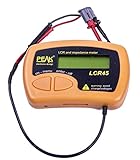
PEAK Atlas LCR45 LCR and Impedance Meter

Hosa D5S-6 CAIG DeoxIT 5% Spray Contact Cleaner, 5 oz.
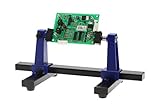
Aven 17010 Adjustable Circuit Board Holder

MG Chemicals Silicone Heat Transfer Compound, 60g Jar

NTE Electronics SW02-10 No-Clean Solder Wick, 4 Blue.098" Width, 10' Length

MG Chemicals 8341 No Clean Flux Paste, 10 milliliters Pneumatic Dispenser (Complete with Plunger & Dispensing Tip)

ELEGOO 130pcs Solderless Flexible Breadboard Jumper Wires Male to Male for Arduino Breadboard

Chanzon Fast Switching/Schottky/Rectifier Diode Assorted Kit (200pcs 14 Values 1N4001 1N4004 1N4007 RL207 1N5404 1N5406 1N5408 UF4007 FR107 FR207 1N5817 1N5819 1N5822 1N4148) Electronic Assortment